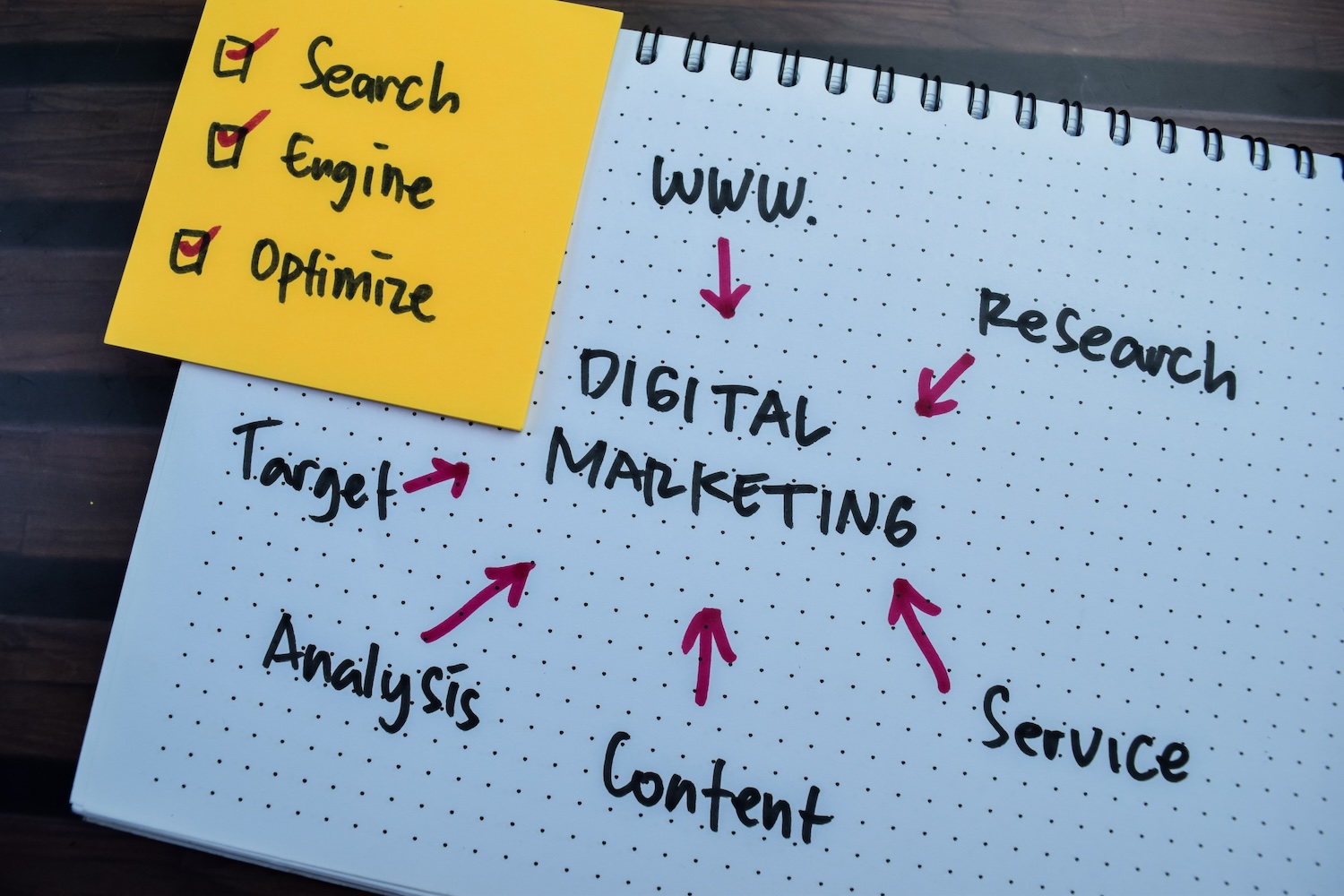
 The modern business landscape continues to shift as companies rely more on online channels to reach customers. Many organizations now recognize that digital marketing strategies can help improve visibility and support long-term growth. These methods provide measurable results that guide decision-making and resource allocation. Businesses of all sizes can benefit from understanding how different tools work together to create a stronger online presence. As the market becomes more competitive, implementing practical approaches becomes increasingly important.
Search Optimization Foundations
Search engine optimization is a core component of digital marketing strategies and helps customers find your website through relevant queries. A strong SEO plan focuses on clear site structure, accurate metadata, and valuable content. Businesses should review their analytics to identify search trends and adjust pages accordingly. High-quality content that answers user questions can improve rankings over time. Regular audits help ensure that the website performs well and supports broader marketing goals.
Paid Advertising Options
Paid advertising gives companies the ability to target specific audiences with controlled messaging. Platforms such as search engines and social networks provide detailed tools for defining user segments. Businesses can test different creative elements to measure performance and refine campaigns. Budget allocation becomes easier when results can be tracked in real time. Over time, paid advertising can support consistent traffic and complement other digital marketing strategies.
Social Media Engagement
Social media channels offer opportunities to interact with customers and share updates. Businesses can use these platforms to highlight new products, respond to questions, and build community trust. Consistent posting schedules help maintain visibility among followers. Analytics provide insights into which types of content perform best. A clear strategy allows companies to strengthen their brand while supporting broader marketing efforts.
Email Communication Tactics
Email remains a reliable way to connect with customers who have expressed interest in your business. Effective campaigns focus on relevant content, clear calls to action, and concise design. Segmenting email lists can improve engagement by delivering messages that match user preferences. Regular performance reviews help refine subject lines and content. When used properly, email supports customer retention and ongoing communication.
Website Performance Improvements
A well-designed website helps customers understand your offerings and navigate information easily. Businesses should ensure that pages load quickly and function well on all devices. Clear navigation reduces confusion and supports user satisfaction. Adding helpful content such as guides or FAQs can increase engagement. Continuous updates help maintain relevance in a competitive market.
Focusing on Sustainable Growth
Building a strong digital presence requires consistent effort and regular evaluation. Companies that invest in clear processes can adapt more effectively to market changes. Digital marketing strategies create opportunities for more informed decisions and steady improvement. With practical planning, businesses can strengthen long-term performance and remain competitive.