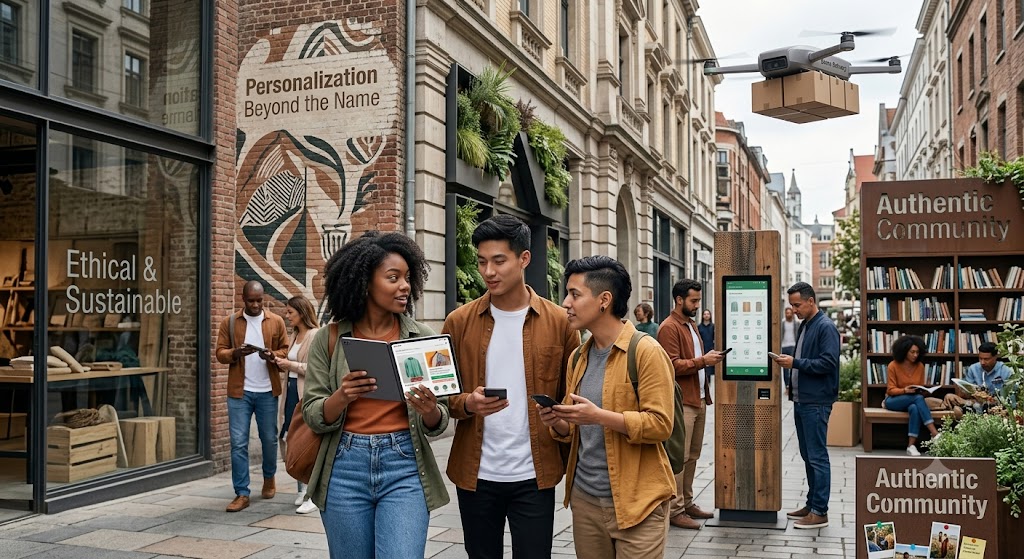
 The relationship between brands and their customers is shifting faster than most businesses can keep up with. Advances in technology, growing social awareness, and a more informed public are all reshaping what people want from the companies they buy from. Understanding what modern consumers expect is no longer optional for brands that want to stay relevant. The landscape of 2026 looks markedly different from even a few years ago, and the brands that adapt will be the ones that survive. This post breaks down the key expectations driving customer behavior and how brands can meet them head-on.
Personalization Beyond Basic Targeting
Consumers in 2026 expect personalization that goes well beyond using their first name in an email. They want brands to understand their preferences, anticipate their needs, and deliver experiences that feel genuinely tailored to them. Generic marketing messages are increasingly ignored or, worse, seen as tone-deaf. Data-driven personalization tools have matured to the point where there is little excuse for brands not to use them effectively. Customers now distinguish between brands that use their data to serve them and those that use it simply to sell to them. That distinction matters enormously. Brands that get personalization right will see stronger loyalty and higher lifetime customer value.
Transparency and Honest Communication
Trust has become one of the most valuable currencies a brand can hold. Consumers are more skeptical than ever, and they have the tools to fact-check claims almost instantly. Brands that hide behind vague language or misleading promises are quickly called out on social media and review platforms. In 2026, transparency means being upfront about pricing, product limitations, sourcing, and even mistakes when they happen. Companies that communicate openly tend to build stronger, more durable relationships with their audiences. A clear and honest brand voice is not just appreciated; it is expected. Silence or evasion is increasingly interpreted as a red flag.
Ethical and Sustainable Practices
Environmental and social responsibility have moved from nice-to-have features to baseline expectations for a growing segment of consumers. Buyers want to know where products come from, how they are made, and what impact they have on the world. Greenwashing, once a way for companies to appear responsible without real commitment, is now aggressively scrutinized. Third-party certifications and verifiable supply chain data are becoming standard proof points that consumers look for before purchasing. Brands that genuinely invest in sustainability are finding it to be a competitive advantage rather than just a cost center. Younger demographics in particular are unwilling to separate their purchasing decisions from their values. Ethical business practices are increasingly non-negotiable.
Seamless Omnichannel Experiences
Customers interact with brands across multiple touchpoints, including websites, apps, physical stores, social media, and customer service channels. They expect these experiences to be consistent and connected, regardless of where the interaction takes place. A purchase started on a mobile app should be easily retrievable in a physical store without friction. Customer service agents should have access to full interaction histories so that customers do not have to repeat themselves. Brands that operate in silos create frustration and drive customers toward competitors who have figured out integration. In 2026, the omnichannel experience is not a feature; it is the standard. Brands that deliver consistency across every channel build far greater trust and satisfaction.
Speed and Convenience as Priorities
Attention spans are shorter and patience for slow or clunky processes is nearly gone. Consumers expect fast-loading websites, quick delivery options, easy returns, and responsive customer support. The brands that understand this invest heavily in reducing friction at every step of the customer journey. Checkout processes with too many steps, unclear return policies, or delayed shipping notifications are all areas that send customers away. In 2026, what modern consumers expect includes almost instant gratification in digital interactions and reliable speed in physical fulfillment. Convenience is not a luxury feature; it is a core expectation that affects purchasing decisions daily. Brands that optimize for speed consistently outperform those that treat it as secondary.
Authentic Community and Brand Voice
Consumers are drawn to brands that feel human and real, not those that speak in polished corporate language designed to avoid risk. Authentic storytelling, real customer voices, and a consistent brand personality all contribute to a sense of community that keeps people engaged. Social media has made it easier for brands to build these communities, but it has also made inauthenticity easier to spot. People want to feel like they belong to something when they associate with a brand, not just like they are being sold to. User-generated content, honest responses to criticism, and behind-the-scenes transparency all help build that sense of connection. Brands that cultivate genuine communities see stronger word-of-mouth and organic growth. In a crowded marketplace, authenticity stands out.
Staying Ahead of Rising Expectations
The expectations outlined here are not predictions for a distant future; they are already taking shape and will be firmly established by 2026. Brands that begin investing in these areas now will be better positioned to compete as these standards become universal. Understanding what modern consumers expect is the starting point for building a strategy that keeps pace with where the market is heading. The companies that will lead in 2026 are those willing to listen, adapt, and deliver consistently across every dimension of the customer experience.