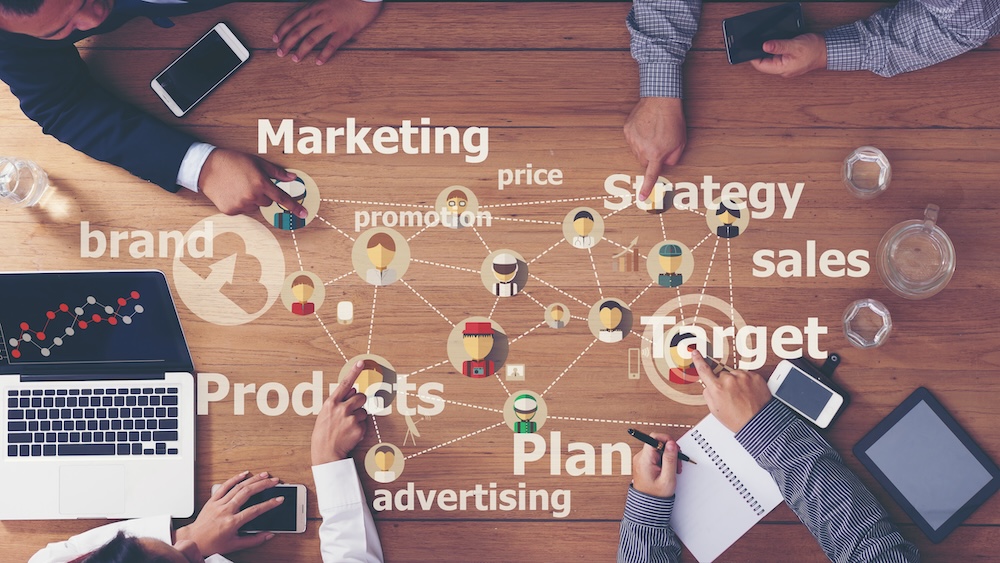
 When launching a new product or service, many small businesses focus on excitement and creativity but often overlook key steps that determine campaign success. A strong marketing campaign requires more than catchy slogans—it demands research, strategy, and an authentic connection with customers. Skipping these essentials can result in wasted resources and missed opportunities. From understanding customer pain points to forecasting results, each overlooked step can make or break momentum. Below, we’ll explore some of the most commonly forgotten yet critical elements that turn a good campaign into a truly effective one.
Marketing campaigns are an effective way for businesses to get the word out about an upcoming launch. The right campaign at the right time can propel a small business’s offerings and even potentially turn it into a household name.
When building marketing campaigns, it’s easy to get caught up in your own enthusiasm about offerings, but enthusiasm alone isn’t enough to ensure the campaign will be successful. Below, 20 Forbes Business Council members share often forgotten steps by small business leaders when building an effective marketing campaign, as well as why these strategies are essential to business success.
1. Examine The Current Market
Study the psychology of the current market to better understand prevailing sentiments about tactics and the true value proposition of your offerings. This enables leaders to avoid overwhelming prospects who are asked for significant amounts of their time daily. For example, 100 sales messages each requesting a 30-minute meeting means 3,000 minutes requested. Decision fatigue impacts marketing effectiveness.
2. Conduct Detailed Audience Research And Persona Development
One step many small businesses skip is detailed audience research and persona development. Map out real customers’ pain points, behaviors and preferred channels. Getting this right ensures your messaging truly resonates, maximizes engagement and avoids wasted ad spend on audiences who won’t convert.
3. Understand The Perspective Of Your Customers
A lot of small businesses forget that good marketing isn’t just about flashy ads or catchy slogans; it’s about connecting with customers where they really are. One big step many skip is taking the time to understand the financial pressures and day-to-day realities their customers face. Speaking directly to those concerns makes your message far more authentic and earns trust.
4. Listen With Empathy
Pair listening with empathy. What does your ideal customer see, feel, worry about and hope for? Build your campaign to speak directly to that. Emotional clarity—not just clever messaging—becomes the heartbeat of every ad, email or post. As a small business, you get to speak human to human. That’s your superpower, so don’t overlook it. 5. Tap Into What Customers Really Want
Don’t just shout about how awesome your product is. Dig into what your audience really wants! Skipping this step is like throwing a party no one asked for. When you tap into their dreams and struggles, your campaign becomes the life of the party they can’t resist joining
6. Recognize Customer Pain Points
One crucial but often overlooked step is deeply understanding the customer’s pain point, not just promoting product features. Small businesses often start with “what we offer” instead of “what problem we solve.” This matters because great marketing isn’t about you but about the customer. Resonance begins with empathy.
7. Develop A Unique, Genuine Concept
One of the most overlooked steps is having the courage to develop your own authentic concept instead of simply jumping on trends. True differentiation happens when we make our unique values, expertise and story visible, even if everyone doesn’t embrace it at first. Equally important is deeply understanding the audience, not just on a demographic level but also on a psychological and emotional level.
8. Seek Customer Validation
Small businesses often skip customer voice validation. Start by directly testing messaging with real users. It’s crucial because what excites you may not resonate with them. Early feedback reveals what actually connects, saving time and money on campaigns that would otherwise miss the mark.
9. Craft An Authentic Brand Narrative
From my experience growing brands, I’ve seen firsthand how sharing authentic narratives—the challenges, the mission, the transformation—can turn casual customers into loyal advocates. Facts and features don’t inspire people, but stories do because they build trust and human connection. In today’s crowded market, your unique story is the differentiator that can make your brand memorable.
10. Develop A Solid Marketing Plan
I see a lot of small businesses neglecting the backend piece of the marketing puzzle. Leads don’t always convert right away, so make sure you’ve got a marketing plan in place to nurture potential customers by keeping those pain points and your value-add front of mind. Also, make sure to build out referral marketing campaigns once they’ve become a customer. There’s gold in referrals and follow ups!
11. Forecast Results Before Launching
One often overlooked step is forecasting results before launching. If you can’t estimate potential ROI, reach or conversions, it’s a red flag. Every idea should be measurable; if it’s not, revisit the concept before investing time and money.
12. Segment Your Audience
Segment your audience instead of blasting everyone. Most small businesses send the same message to their entire list because it’s easier, but a personalized email to 100 segmented prospects outperforms a generic blast to 1000 every time. When you speak directly to someone’s specific pain point or industry, response rates increase. Segmentation plus personalization equals compensation.
Click here to continue reading
Original article published on forbes.com